Stem Cell Therapy, With Every Step Made Visible

REGENERATIVE MEDICINE • VILNIUS, LITHUANIA

Stem Cell Therapy, With Every Step Made Visible

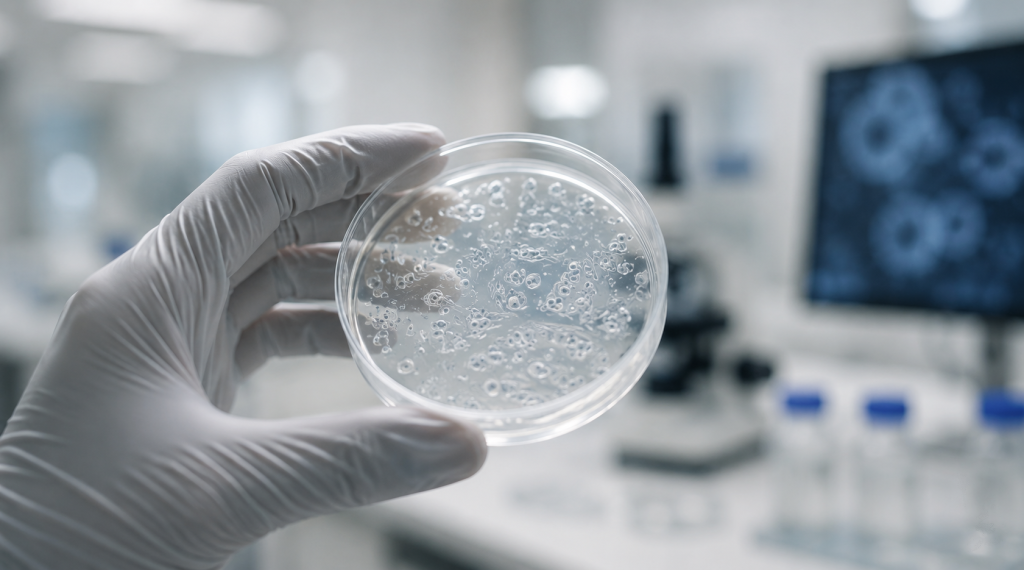
Explore the science and clinical potential of mesenchymal stem cells within a physician-led regenerative medicine pathway built around assessment, transparency and quality.

At Vilnius Vitality, regenerative medicine begins with understanding the patient—not simply selecting a treatment.

*Treatment availability and suitability are subject to physician assessment, clinical eligibility, applicable regulation and individual circumstances.

UNDERSTANDING STEM CELLS

What Are Mesenchymal Stem Cells?

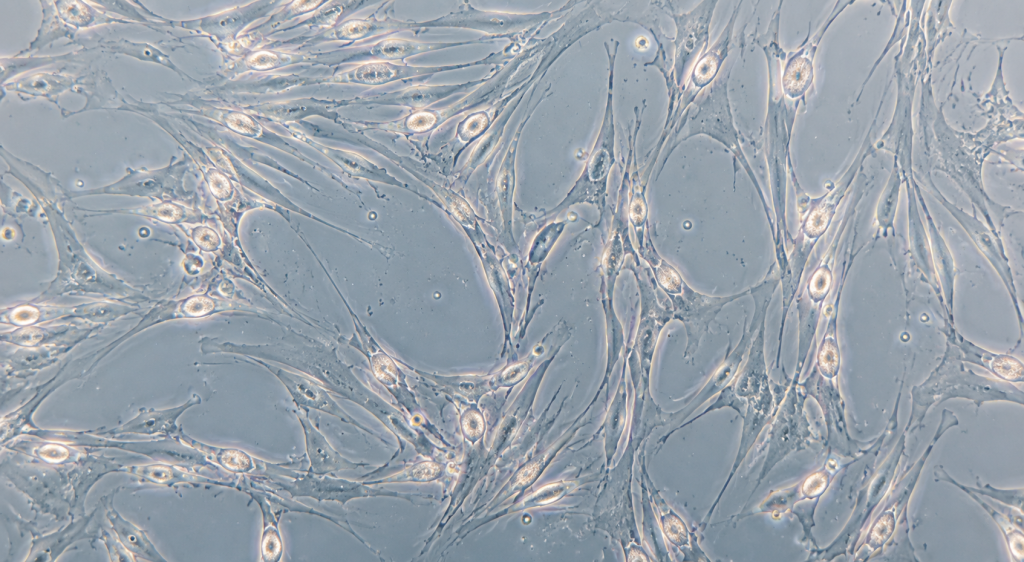
Mesenchymal stem/stromal cells (MSCs) are multipotent cells studied extensively for their role in tissue repair, cellular signalling and immune regulation.

Umbilical cord-derived MSCs (UC-MSCs) are isolated from donated umbilical cord tissue and are an important area of research within regenerative medicine.

Rather than presenting stem cells as a universal solution, Vilnius Vitality takes an evidence-aware approach.

We look at the individual, the clinical objective, the available evidence and the regulatory context before determining whether a regenerative medicine pathway may be appropriate.

THE SCIENCE

How MSCs Interact With the Body
01 — Cellular Signalling

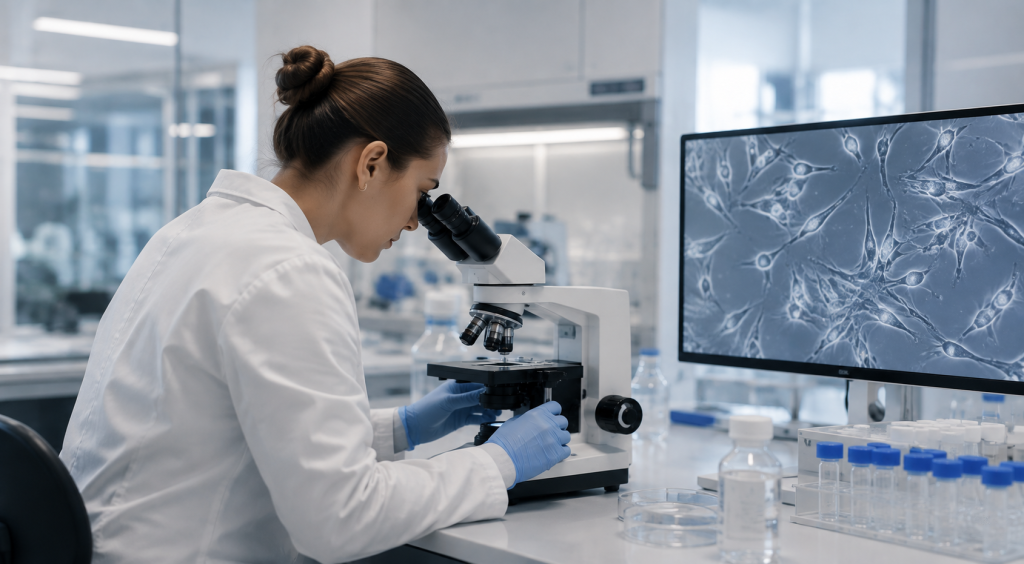
MSCs interact with surrounding cells and tissues through complex biological signalling pathways that are being investigated for their role in repair and regeneration.

02 — Immunomodulation

MSCs have demonstrated immunomodulatory properties and are being studied for their ability to influence inflammatory and immune responses.

03 — Bioactive Molecules

MSCs can secrete cytokines, growth factors and other bioactive molecules involved in cellular communication, tissue response and repair processes.

04 — Regenerative Potential

In Regenerative Medicine, What Happens Behind the Treatment Matters.

01 – Source

Where does the biological material come from?

02 – Quality

What quality processes and testing apply?

03 – Clinical Decision

Why is a particular approach being considered for this patient?

04 – Administration

Who is responsible for treatment and clinical oversight?

UMBILICAL CORD-DERIVED MSCs

Understanding UC-MSCs

Umbilical cord-derived mesenchymal stem/stromal cells—commonly referred to as UC-MSCs—are obtained from donated umbilical cord tissue.

They have become an important area of regenerative medicine research because of their biological characteristics, including their signalling and immunomodulatory properties.

At Vilnius Vitality, discussion of any cell-based intervention begins with physician assessment and consideration of the evidence, potential risks, alternatives and individual clinical circumstances.

PERSONALISED REGENERATIVE MEDICINE

There Is No Universal Stem Cell Protocol

Two patients with similar symptoms may have very different medical histories, risk profiles and clinical needs.
Umbilical cord-derived MSCs (UC-MSCs) are isolated from donated umbilical cord tissue and are an important area of research within regenerative medicine.

That is why treatment should never begin with:
“How many stem cells do you want?”

It should begin with:
“What are we trying to understand and achieve?”
Your pathway may include:

Medical History & Records Review
Understanding previous diagnoses, treatments, medications and relevant medical history.

Advanced Diagnostics
Appropriate laboratory testing, imaging and functional assessment where clinically indicated.

Physician Consultation
Reviewing your goals, clinical findings, available evidence, potential risks and alternatives.

Individualised Planning
Determining whether regenerative medicine should form part of your wider health strategy.

Follow-Up & Measurement
Monitoring relevant outcomes rather than assuming that treatment automatically equals success.

REGENERATIVE MEDICINE • VILNIUS, LITHUANIA

Regenerative Medicine Research

MSC and cell-based research spans multiple areas of medicine, including musculoskeletal, immune, cardiovascular, neurological, and ageing science.
These fields are still under active investigation and are not yet established clinical treatments.

Our medical team will explain the current evidence and what is clinically appropriate for you.

cellular communication

What Are Exosomes?

Exosomes are microscopic vesicles released by cells that carry proteins, lipids and RNA between cells.
Acting as biological messengers, they play a role in cellular communication and are being studied for their potential influence on inflammation, tissue signalling and regenerative processes.

Their role in cell-to-cell communication makes exosomes an emerging area of interest in regenerative medicine.

Scroll to Top